Author: admin

  • Τι είναι η μέθοδος Wim Hof και τι περιλαμβάνει

    Τι είναι η μέθοδος Wim Hof και τι περιλαμβάνει

    Αν έχετε ακούσει τον όρο «μέθοδος Wim Hof» σε podcast, στα social media ή από φίλους που κάνουν παγωμένα μπάνια, είναι φυσιολογικό να αναρωτιέστε τι ακριβώς σημαίνει. Το άρθρο εξηγεί με απλά λόγια τι είναι, από ποια στοιχεία αποτελείται και τι έχει δείξει μέχρι σήμερα η έρευνα. Περιγράφει επίσης τι πρέπει να προσέξετε πριν δοκιμάσετε οτιδήποτε. Δεν υποκαθιστά ιατρική συμβουλή.
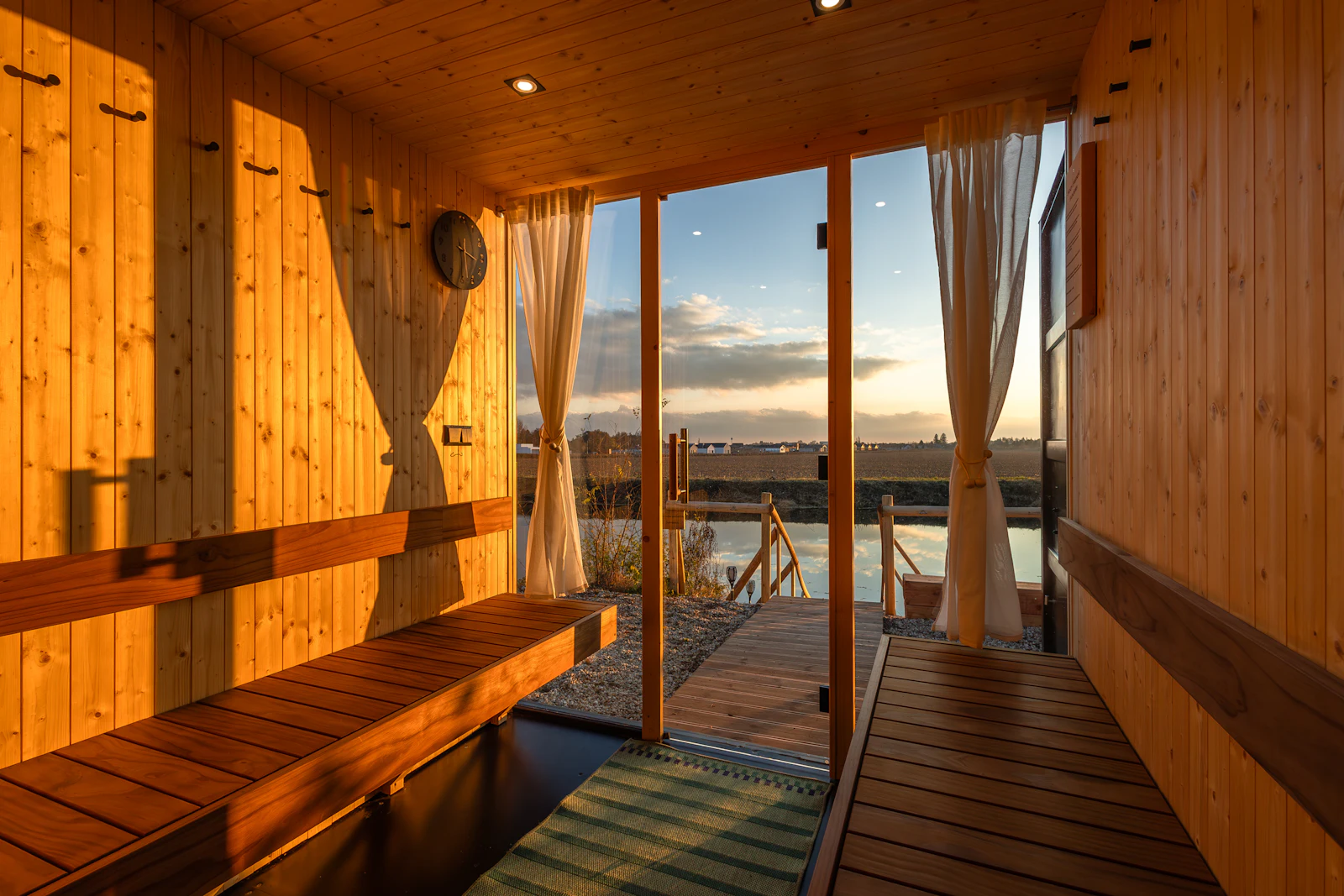
    Sauna overlooking water, illustrative stock photo; not a Solivoh facility – μέθοδος wim hof

    Ποιος είναι ο Wim Hof

    Ο Wim Hof είναι Ολλανδός αθλητής των ακραίων συνθηκών. Έγινε γνωστός με το προσωνύμιο «The Iceman» («ο άνθρωπος του πάγου») για τις επιδόσεις του σε πολύ χαμηλές θερμοκρασίες. Με τα χρόνια διαμόρφωσε μια προσέγγιση που συνδυάζει συγκεκριμένη αναπνοή, σταδιακή έκθεση στο κρύο και νοητική στάση. Σήμερα η προσέγγιση αυτή διδάσκεται διεθνώς ως «μέθοδος Wim Hof».

    Οι τρεις πυλώνες της μεθόδου

    Σύμφωνα με την επίσημη παρουσίαση της μεθόδου, αυτή στηρίζεται σε τρία βασικά στοιχεία.

    1. Αναπνοή

    Είναι το πιο χαρακτηριστικό κομμάτι. Η τεχνική περιλαμβάνει κύκλους βαθιών, ελεγχόμενων εισπνοών και εκπνοών, που ακολουθούνται από παύση στην αναπνοή και στη συνέχεια από μια βαθιά εισπνοή που κρατιέται για λίγα δευτερόλεπτα. Οι ακριβείς οδηγίες (αριθμός αναπνοών, γύρων και διάρκεια παύσης) διαφέρουν ανά πηγή και ανά επίπεδο εμπειρίας. Γι’ αυτό είναι προτιμότερο να ακολουθήσετε τις οδηγίες ενός εκπαιδευμένου εκπαιδευτή ή του επίσημου υλικού, παρά να τις αναπαράγετε από μνήμης.

    2. Έκθεση στο κρύο

    Το δεύτερο στοιχείο είναι η σταδιακή εξοικείωση με το κρύο. Συνήθως ξεκινά με λίγα δευτερόλεπτα κρύου νερού στο τέλος ενός συνηθισμένου ντους. Με τον καιρό μπορεί να φτάσει σε κρύα μπάνια ή βουτιές. Η λέξη-κλειδί είναι η σταδιακότητα: το σώμα χρειάζεται χρόνο να προσαρμοστεί, και η βιασύνη δεν βοηθά.

    3. Δέσμευση και νοητική στάση

    Ο τρίτος πυλώνας είναι λιγότερο χειροπιαστός. Αφορά την επιμονή, την υπομονή και τη συνέπεια στην εξάσκηση, καθώς και τη συνειδητή εστίαση της προσοχής. Η μέθοδος παρουσιάζεται ως πρακτική που χτίζεται με τακτική εφαρμογή, όχι ως γρήγορη λύση.

    Τι λέει η επιστημονική έρευνα;

    Η μέθοδος έχει προκαλέσει επιστημονικό ενδιαφέρον, αλλά τα συμπεράσματα πρέπει να διαβάζονται με σύνεση.

    • Μελέτη του 2014 (PNAS): Ερευνητές στην Ολλανδία μελέτησαν μικρή ομάδα εθελοντών που είχε εκπαιδευτεί στην τεχνική (αναπνοή, έκθεση στο κρύο, νοητική εστίαση). Οι συμμετέχοντες φάνηκε να επηρεάζουν συνειδητά το αυτόνομο νευρικό σύστημα και τη φλεγμονώδη απάντηση του οργανισμού σε ένα πειραματικό ερέθισμα. Το δείγμα ήταν μικρό και οι συνθήκες εργαστηριακές. Τα ευρήματα δεν αρκούν για να εξαχθούν συμπεράσματα για τη γενική υγεία (Kox et al., 2014).
    • Μελέτη για τα κρύα ντους (2016): Σε ολλανδική τυχαιοποιημένη μελέτη, άτομα που τελείωναν το ντους με κρύο νερό ανέφεραν λιγότερες ημέρες απουσίας από την εργασία λόγω ασθένειας. Δεν διαπιστώθηκε όμως μείωση στον αριθμό των επεισοδίων ασθένειας (Buijze et al., 2016). Το αποτέλεσμα αφορά την έκθεση στο κρύο και όχι ολόκληρη τη μέθοδο.
    • Απεικονιστική μελέτη εγκεφάλου (2018): Μικρή μελέτη εξέτασε πώς ανταποκρίνεται ο εγκέφαλος σε κρύο ερέθισμα στο πλαίσιο της μεθόδου. Και εδώ πρόκειται για πρώιμη, περιορισμένης κλίμακας έρευνα (Muzik et al., 2018).

    Συνοπτικά, υπάρχουν ενδιαφέροντα πρώτα δεδομένα, αλλά όχι επαρκείς αποδείξεις ότι η μέθοδος θεραπεύει ή προλαμβάνει ασθένειες. Όποιος τη διαφημίζει ως «θεραπεία», πρέπει να αντιμετωπίζεται με επιφύλαξη.

    Ποιοι πρέπει να προσέχουν ιδιαίτερα

    Η μέθοδος δεν είναι για όλους και ορισμένα σημεία χρειάζονται σοβαρή προσοχή:

    • Ποτέ μέσα ή κοντά σε νερό κατά την εξάσκηση της αναπνοής. Η υπεραερισμένη αναπνοή μπορεί να μειώσει την επίγνωση της ανάγκης για αέρα και να οδηγήσει σε λιποθυμία. Σε νερό αυτό είναι επικίνδυνο, με αναφερόμενα περιστατικά πνιγμού.
    • Ποτέ κατά την οδήγηση ή σε οποιαδήποτε δραστηριότητα που απαιτεί εγρήγορση.
    • Αν έχετε καρδιαγγειακά προβλήματα, υψηλή πίεση, επιληψία, αναπνευστικά νοσήματα ή αν είστε έγκυος, συμβουλευτείτε πρώτα τον γιατρό σας. Το ίδιο ισχύει για κάθε χρόνιο πρόβλημα υγείας.
    • Το κρύο προκαλεί απότομη καταπόνηση στον οργανισμό. Ξεκινήστε με ήπια έκθεση και ποτέ μόνοι σε ακραίες συνθήκες.
    • Αν νιώσετε ζάλη, μούδιασμα, πόνο στο στήθος ή οτιδήποτε ασυνήθιστο, σταματήστε αμέσως.

    Πώς να ξεκινήσετε με ασφάλεια

    1. Ενημερωθείτε από αξιόπιστες πηγές και, αν υπάρχει ανησυχία για την υγεία σας, μιλήστε με γιατρό.
    2. Επιλέξτε ασφαλές περιβάλλον για την αναπνοή: καθιστοί ή ξαπλωμένοι, σε στεγνό χώρο, μακριά από νερό.
    3. Εισάγετε το κρύο σταδιακά, με λίγα δευτερόλεπτα στο τέλος του ντους.
    4. Κρατήστε ημερολόγιο για το πώς νιώθετε, ώστε να παρατηρείτε αντικειμενικά τι αλλάζει.
    5. Σκεφτείτε καθοδήγηση από εκπαιδευμένο άτομο, ιδιαίτερα αν είστε αρχάριοι.
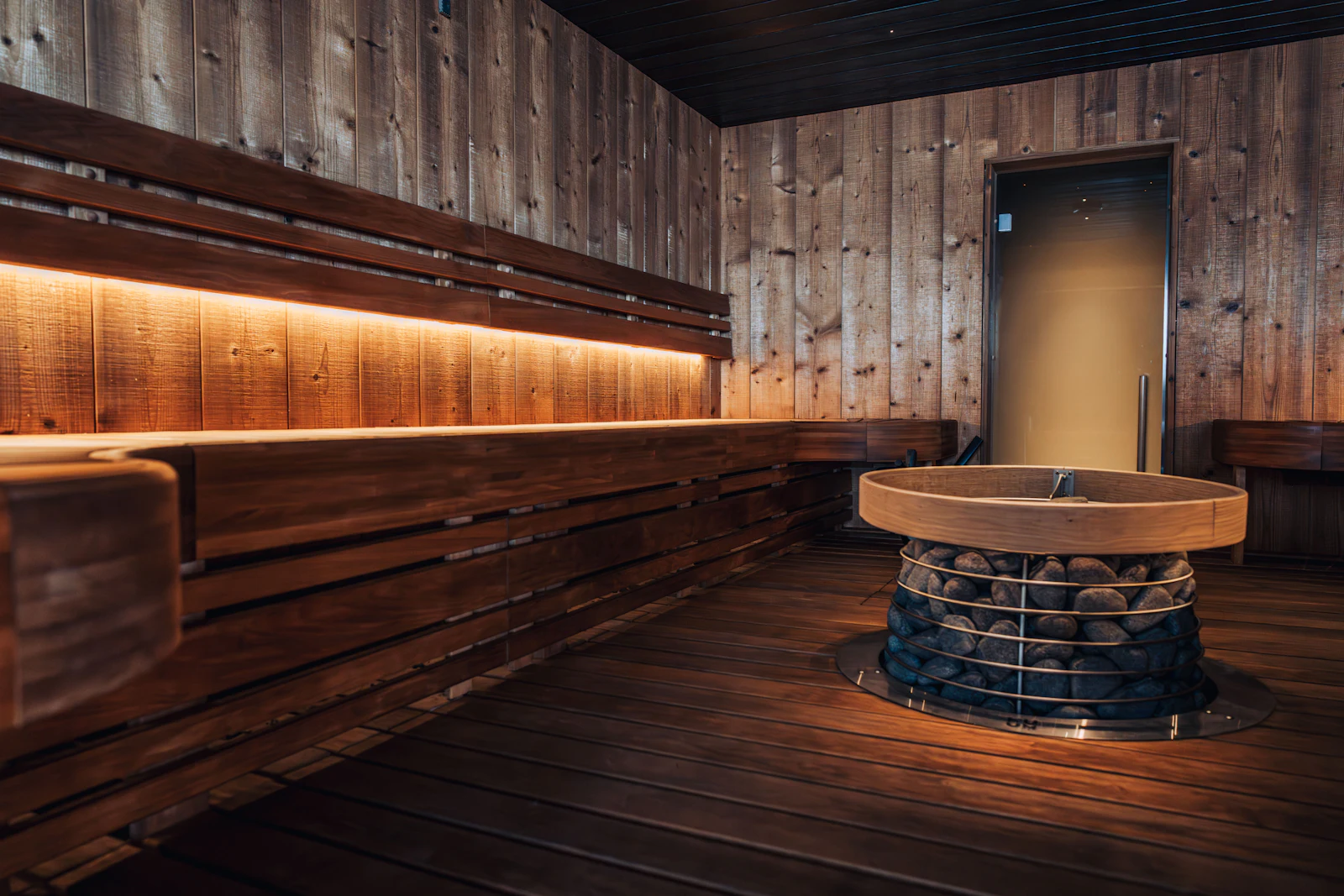
    Wood panelled sauna with a stone heater, illustrative stock photo; not a Solivoh facility – μέθοδος wim hof

    Συχνές ερωτήσεις

    Είναι η μέθοδος Wim Hof ιατρική θεραπεία;
    Όχι. Είναι πρακτική που συνδυάζει αναπνοή, κρύο και νοητική εστίαση. Δεν αντικαθιστά ιατρική φροντίδα ή αγωγή.

    Χρειάζεται κανείς παγωμένο νερό για να την ακολουθήσει;
    Η έκθεση στο κρύο είναι ένας από τους τρεις πυλώνες, αλλά ξεκινά από πολύ ήπια επίπεδα και προχωρά σταδιακά, με βάση τις δικές σας αντοχές.

    Είναι ασφαλής για όλους;
    Όχι απαραίτητα. Άτομα με συγκεκριμένα προβλήματα υγείας και έγκυες πρέπει να ζητήσουν πρώτα ιατρική γνώμη.

    Επόμενο βήμα

    Αν θέλετε να δείτε πώς μπορεί να εφαρμοστεί όλο αυτό στην πράξη και ποιες επιλογές υπάρχουν, Πώς να διαβάζετε μια ανακοίνωση εργαστηρίου αναπνοής ή Wim Hof.

    Διαβάστε επίσης για μέθοδος wim hof

    Πηγές

    • Kox, M. et al. (2014). Voluntary activation of the sympathetic nervous system and attenuation of the innate immune response in humans. Proceedings of the National Academy of Sciences (PNAS), 111(20).
    • Buijze, G. A. et al. (2016). The effect of cold showering on health and work: a randomized controlled trial. PLoS ONE, 11(9).
    • Muzik, O. et al. (2018). Brain over body: a study on the willful regulation of autonomic function during cold exposure. NeuroImage, 172.
    • Επίσημη ιστοσελίδα της μεθόδου Wim Hof (wimhofmethod.com), ενότητα με τις οδηγίες ασφαλείας.

  • How to Read an Illustrative Wellness Image

    A calm interior image can communicate a design direction without documenting an operating venue. It may be a stock photograph, a visualisation or an explicitly generated scene. Before drawing conclusions, look for the caption and the surrounding explanation. An image should be read according to what its source establishes, not according to how convincing it appears. This distinction helps keep an illustrative concept separate from claims about a real provider, facility or available experience.

    Read the label before interpreting the scene

    Look for wording such as illustrative, concept or generated. Keep that wording attached if you make a personal note about the image. A decorative scene removed from its caption can acquire a meaning that the original page did not support. If the label is absent or ambiguous, record that uncertainty. Do not decide that an image documents a real place merely because it contains detailed furnishings, realistic lighting or people who appear to be using the space.

    Separate visible elements from confirmed facts

    You can describe shapes, colours and the arrangement shown in an image without concluding that the depicted room exists. A visible object is not a confirmed equipment inventory, and a staged scene does not establish an operating procedure. Avoid inferring availability, supervision, qualifications or affiliation from visual presentation. These matters would require explicit, current information from the responsible source; they are not established by a photograph or rendering alone.

    Notice how the image is being used

    A page may use an image to suggest an atmosphere, explain a design idea or illustrate an educational topic. Those purposes differ from documenting a completed facility. Read the nearby text to see which purpose is stated. If the text and image appear to conflict, keep the conflict visible rather than allowing one to silently override the other. A dramatic image should not erase a written disclosure that a project remains at the concept stage.

    Do not turn visual impressions into participation advice

    An image cannot establish whether an experience is appropriate for an individual or demonstrate a health effect. It also cannot provide the full information needed to understand a practice. This article offers no instructions for participation and no assessment of procedures. Its scope is visual literacy: identifying what an image represents and where evidence stops. Personal questions should not be answered by copying a pose, arrangement or activity seen in illustrative material.

    Preserve context when comparing references

    If you collect public references for your own reading, note the source, caption and date alongside the image description. Avoid compiling private information about people shown or guessing their identity. Compare the stated purpose of each reference rather than treating all images as equivalent records of real facilities. A stock photograph and a concept rendering can both be useful illustrations, but their usefulness does not make them evidence that a particular business operates the depicted setting.

    Finish by writing two short statements: what the image visibly shows and what remains unconfirmed about the project. This makes the difference between observation and inference explicit. Solivoh's existing imagery includes labelled illustrative concepts, and those labels remain essential context. The project does not confirm an operating location, equipment list, provider or booking process here. Reading its images provides no access entitlement, participation instruction or promise of a health or recovery outcome.

  • Build a Membership Comparison Worksheet Without Mixing Inclusions

    A comparison worksheet can be useful before a decision, provided it records what each description actually includes. Its purpose is to organise information, not to rank experiences by an invented score. Start with empty fields and clearly labelled fictional examples if you need to test the layout. Do not populate missing entries with assumptions. Solivoh currently has no active membership offer here, so this guide supplies a reading structure rather than a comparison of available plans.

    Give each row one question

    Separate the name of an option, the stated inclusion, any stated visit limit and the conditions attached to it. A broad heading such as “access” can hide several different questions. Use one row for each detail you want to compare so that a limitation remains connected to the relevant inclusion. If a description does not answer the question, write “not stated” rather than leaving a blank that could later be mistaken for unrestricted access.

    Keep conditions beside the item they qualify

    A stated inclusion may depend on a booking condition, a period or another limitation described elsewhere. Record that wording alongside the item rather than putting all qualifications in a distant notes section. Do not paraphrase a condition so loosely that its meaning changes. If the language is unclear, retain a short reference to the source and mark the issue for clarification. A worksheet should expose ambiguity, not resolve it through guesswork.

    Separate cancellation wording from your interpretation

    Create a field for the actual published cancellation or change wording, where such terms exist, and another for questions you still have. Do not convert a general phrase into a legal conclusion or a promise of a particular remedy. This guide does not interpret a contract or establish anyone's rights. It simply keeps the source wording visible so that a future offer can be considered using its actual current terms and appropriate advice where needed.

    Avoid combining unlike entries into a score

    A worksheet may contain different formats, periods or categories. A single total can conceal those differences, particularly when several fields remain unknown. Instead of inventing a weighting system, identify which questions matter to the decision and which entries are not comparable. Do not use a comparison table to imply health benefits, personal suitability or a preferred practice. Those conclusions are outside this information-organising exercise and are not supported by a set of membership labels.

    Add a source column and a review date

    Record where each statement came from and when you checked it. Keep a copy of your own notes without collecting other visitors' details. When a description changes, update the affected entry and retain a simple note of the revision. A current-looking table can still contain old information if only its title was refreshed. Check the individual rows rather than assuming that one date makes the entire worksheet reliable for a later decision.

    Before using the worksheet, review every empty or uncertain entry and ask whether the table makes its limits obvious. A helpful comparison may end with several unanswered questions rather than a winner. This method complements a broader discussion of membership terms by providing a consistent recording format. It does not create a Solivoh offer, price, reservation or payment route. The project remains planned and contact collection closed; no personal or health information is requested by this article.

  • Questions About a Future Venue: Separate Answers from Unknowns

    When a venue is still a concept, a useful question record should make unknowns visible. It should not turn an attractive description into an assumed address, facility list or operating arrangement. Begin with the practical information a visitor would eventually need, then record whether each item is confirmed, unanswered or outside the current scope. This is preparation for reading future information, not a request to book, participate or provide personal details to a planned project.

    Ask who would be responsible for the service

    A brand name and a responsible operating provider are different pieces of information. A future description would need to identify the relevant provider and explain who handles practical questions. Until that information is supplied, leave the entry open. Do not infer a professional role, qualification or affiliation from photographs or design language. A question record can identify the missing fact without making a claim about the people who might later be involved.

    Distinguish a location idea from an actual address

    A city mentioned in a concept does not establish a confirmed venue address. Keep the proposed setting separate from a location that a responsible source has explicitly confirmed. Avoid planning a visit around a mood image or a generic map reference. If an address is eventually provided, its current status and the relevant visiting arrangements would still need clarification. This guide does not identify or recommend any operating location for Solivoh.

    Make access questions specific without assuming answers

    People may need different practical information about arrival, entrances, internal movement or communication. Record the question that matters rather than assuming that a broad label answers it. A photograph of an entrance, for example, does not establish every aspect of access. There is no need to disclose private circumstances in a public enquiry to formulate a practical question. This article cannot assess a future building or confirm that it meets any particular requirement.

    Record what the description actually includes

    If a future venue publishes a list of spaces or services, distinguish items explicitly included from illustrative possibilities. Do not expand a short description into an equipment inventory or a schedule. Ask which information is current and which remains under development. Keep practical descriptions separate from personal participation questions. Nothing in this record evaluates procedures, suitability or health effects, and an unanswered item should not be treated as a positive answer.

    Give each answer a source and date

    Use a simple format: question, published answer, source, date checked and remaining uncertainty. If two pages disagree, preserve both statements and mark the conflict for clarification. Do not select the more appealing wording merely because it would make a decision easier. A dated record helps you see what has changed, but it is not an independent inspection or a guarantee that the information will remain current when a future decision is made.

    The record is complete enough for its purpose when you can distinguish known facts from assumptions without explaining them from memory. It need not contain private documents or any information about other visitors. Solivoh remains a concept with provider, address and operating details unconfirmed, and contact collection and booking remain closed. These questions support careful reading of a possible future description; they do not announce a facility, an available service or an invitation to attend.

  • Keep a Dated Record of Status Labels When a Project Changes

    A concept website may develop over time, but a reader should not have to guess which statements are current. A dated status record offers a practical way to distinguish an old announcement from a later update. The aim is not to create a reservation or assess an experience. It is to keep track of what a page actually says, when it was read and which questions remain unanswered. This is a reading method, not a booking process.

    Record the statement before interpreting it

    Write down the relevant status wording and the page where it appears. Keep the date you read it separate from any publication or update date shown on the page. Those dates describe different things. If no update date is provided, record that absence rather than inventing one. A brief factual note is more useful than a conclusion such as “opening soon” when the source only describes a planned idea without confirming a date.

    Keep each type of status separate

    A project description, an invitation to read more and a confirmed transaction are not interchangeable. Record the action a page actually offers, if any, without treating an informational link as an appointment or membership. Avoid assigning your own operational label because an image looks finished. The record should preserve the distinction between what is explicitly stated and what a reader might otherwise infer from presentation, tone or the name of a section.

    Compare changes without filling the gaps

    When a page changes, note which statement is different and whether the change resolves a previous question. A new image or revised headline does not necessarily confirm a provider, location or offer. If an earlier statement disappears, do not assume the opposite has become true. Mark the current position as unclear where necessary. A change log is useful precisely because it can preserve uncertainty instead of forcing every entry into a simple ready-or-not category.

    Use a fictional example to test the method

    Imagine a fictional project whose first note says “design study” and whose later note says “further information to follow”. A careful record would retain both statements with their dates and leave availability unconfirmed. It would not transform the second note into an opening announcement. The example demonstrates how to read updates; it describes no actual venue, provider or transaction and should not be copied as a claim about an operating service.

    Keep the record private and limited

    You can maintain a small personal note without collecting anyone else's details. There is no need to submit a health history, identity document or payment information to compare public status wording. Do not create a shared list of other visitors or infer that your note gives you a place in a queue. If a future real offer requires a decision, it would need its own current information and appropriate review at that time.

    Solivoh's existing questions page explains its current concept and closed-booking position. This article adds a different tool: a way to read changes over time without losing their context. It does not replace that status disclosure. Solivoh remains a planned project with no active reservation, payment or membership process here; no opening date, location or price is confirmed. Reading this guide creates no access entitlement and offers no participation or health advice.